It almost always starts the same way. A couple or a family drives to a small town for the weekend. They eat well, sleep deeply, and walk along a waterfront or through a countryside that feels like a different world from their daily commute. On Sunday afternoon, loading the car, one of them says it casually: "What if we lived here?" The question hangs in the air for the drive home. And then it starts to grow.
The path from weekend visitor to full-time resident is more common than most people realize, especially in Ontario's small towns, where the combination of natural beauty, community warmth, and relatively affordable real estate has been drawing city transplants for years. It rarely happens as a single leap. More often, it is a gradual process: weekends become long weekends, long weekends become summer rentals, summer rentals become property searches, and property searches become moving vans. The transition takes years for some people and months for others, but the pattern is remarkably consistent.
The Discovery Phase
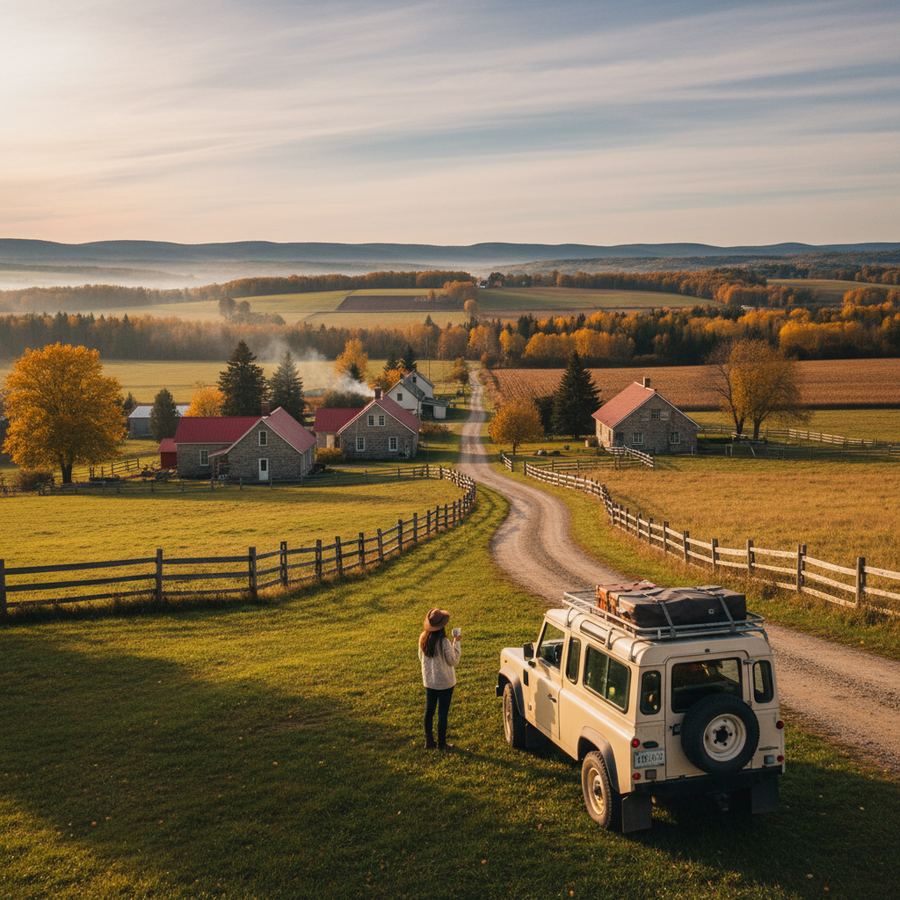
Every story has a discovery moment. For some, it is a specific place: the view from a winery patio in Prince Edward County, the beach at Wasaga at sunset, the river trail in Petawawa on an October morning. For others, it is less about the scenery and more about the feeling. The realization that their shoulders have dropped, their breathing has slowed, and they feel calmer than they have in months.
This discovery phase is exciting and dangerous. Exciting because it opens up possibilities that were invisible before. Dangerous because it can lead to impulsive decisions based on a weekend's worth of sunshine and good food. The people who make the transition successfully are the ones who take their time with this phase, returning repeatedly and in different seasons, letting the initial excitement settle into something more grounded.
The Exploration Phase
After the discovery comes deeper exploration. Weekend visits become more frequent and more focused. Instead of visiting as tourists, the couple starts visiting as potential residents. They drive the neighbourhoods. They check the grocery store. They eat at the diner, not just the restaurant that the food bloggers recommended. They talk to locals about what winter is like, what the schools are like, what the internet service is like.
This phase often involves renting for an extended period. A week in February, when the town is at its quietest and least flattering, reveals what a weekend in July never could. The grey skies, the empty streets, the limited dining options, and the early darkness are all real parts of small-town life, and they need to be experienced rather than imagined.
The exploration phase also reveals the community in a different way. Weekend visitors see the polished surface, the restaurants, the main street, the waterfront. Extended stays show the infrastructure: the volunteer fire department, the library board, the community garden, the hockey league. These are the structures that actually hold a small town together, and engaging with them, even briefly, tells you more about a place than any number of weekend visits.
The Decision
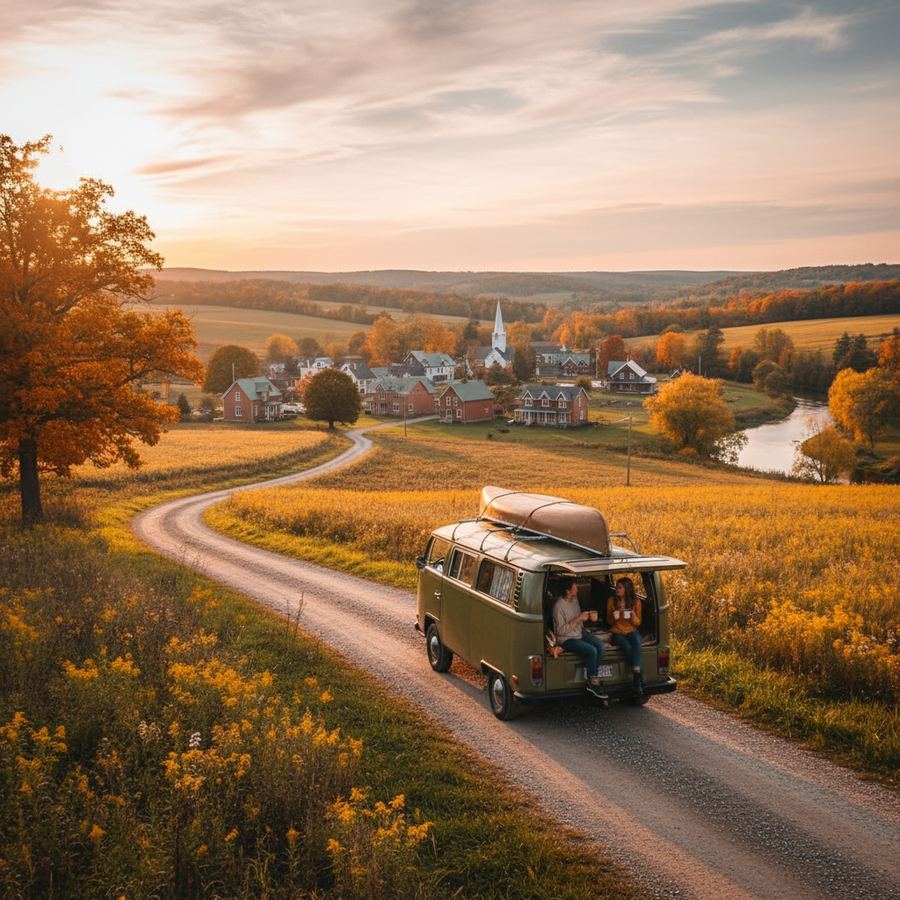
The decision to move is rarely a single moment. It is more like a tipping point, the accumulation of evidence that tips the balance from "nice idea" to "actual plan." For some people, the trigger is a life event: a retirement, a job change, a pandemic that proved remote work was viable. For others, it is simply the growing weight of longing that builds with each drive home on Sunday evening.
The practical considerations are significant. Can you work from the new location? If not, what will you do for income? Can you afford the property? What about schools for the kids? What about aging parents in the city? What about the friends you will see less often? These questions deserve honest answers, not the rose-tinted answers that the fantasy version of small-town life encourages.
The people who make the move successfully tend to be realistic about what they are giving up and specific about what they are gaining. They are not running from the city. They are moving toward something: a particular community, a particular landscape, a particular quality of daily life that they have experienced enough to know it is real and not just a vacation illusion.
The Arrival
Moving day is not the end of the story. It is the beginning of a different one. The first months in a new small town involve the disorienting experience of being a newcomer in a place where everyone else has roots. The honeymoon period, when everything seems charming and new, gives way to the adjustment period, when the isolation, the limited options, and the distance from old friends start to register.
The people who thrive through this period are the ones who engage. They introduce themselves. They shop locally, even when online is easier. They show up at community events. They volunteer. They accept invitations from neighbours, even when those invitations involve activities they would never have considered in the city. Integration into a small town is an active process, not a passive one. The town will welcome you, but you have to meet it halfway.
The Outcome
Most people who make the transition from weekend visitor to full-time resident describe it as one of the best decisions of their lives. Not the easiest. Not the simplest. But the best. They describe sleeping better, worrying less, and spending more time on things that matter. They describe knowing their neighbours, understanding their community, and feeling a sense of belonging that the city never provided.
They also describe trade-offs. They miss the restaurants, the cultural events, the diversity, and the convenience. They drive more than they used to. They plan ahead for purchases that used to be impulse buys. But on balance, the ledger is heavily in favour of the move. The quality of daily life, the thing you experience between the highlights, improves so significantly that the sacrifices feel minor by comparison.
For more on the realities of the move, see Moving to a Smaller Town. For the philosophy behind slowing down, read Living Slower.