There is a speed at which most of us move through our daily lives, and it is faster than we realize. Not just physically, though we do rush from place to place, but mentally. We process information, make decisions, respond to messages, and manage obligations at a pace that would have been unimaginable a generation ago. We call this normal because everyone around us is doing the same thing. But spend a weekend in a small town, moving at a different speed, and normal starts to look like something else entirely.
Living slower is not about laziness, retirement, or dropping out. It is about attention. It is about noticing where you are, who you are with, and what you are doing, rather than mentally racing ahead to the next obligation. It is available to anyone, regardless of where they live or how busy their work is. And it starts, more often than people expect, with a weekend drive to somewhere quiet.
The Weekend Problem
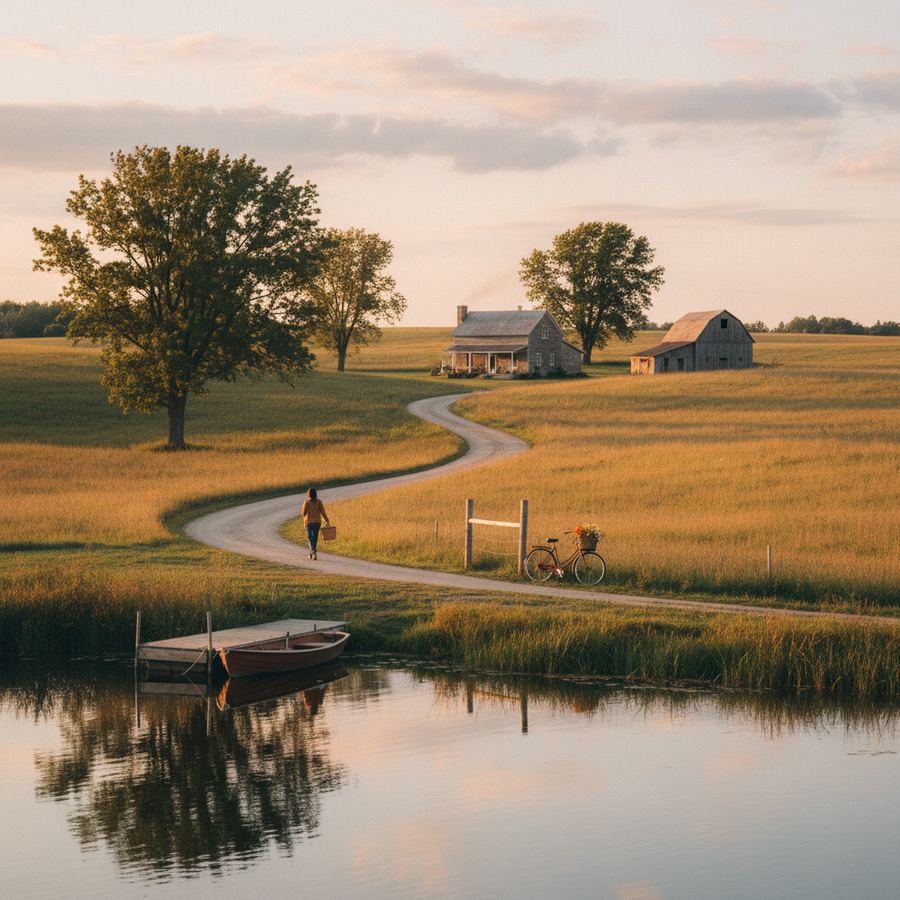
Most people treat weekends as a continuation of the workweek's pace, just with different tasks. Saturday is for errands, chores, and the activities that got deferred during the week. Sunday is for preparing for Monday. By the time the weekend ends, you have been productive, but you have not rested. You return to work on Monday having maintained your life but not having lived it.
The alternative is to treat at least some weekends as trips, even if you do not go anywhere. A trip mindset means paying attention to your surroundings, eating with intention, walking without a destination, and giving yourself permission to do nothing useful. You do not need to leave the city to adopt this mindset, but leaving the city makes it much easier, because the environment supports it.
When you drive to a small town and sit on a bench in the morning sun, there is nothing to do. No errands to run. No obligations to manage. No inbox to clear. There is just the bench, the sun, and whatever happens to be in front of you. That feeling, the feeling of having nothing to do and nowhere to be, is what rest actually feels like. Most of us have forgotten.
What Slowing Down Actually Looks Like
Slowing down is not dramatic. It is a series of small choices that add up to a different pace. Walking instead of driving. Cooking instead of ordering. Reading instead of scrolling. Sitting on the porch instead of checking your phone. Each individual choice is minor. Together, they shift the texture of your day.
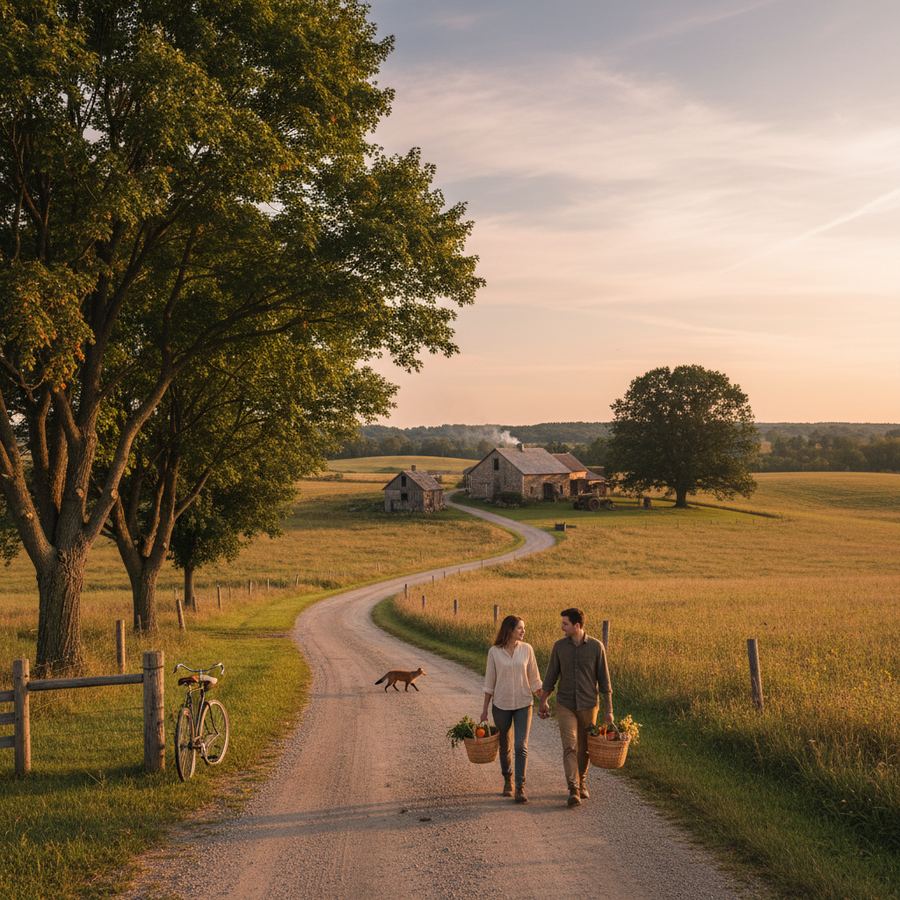
On a weekend trip to a small town, these choices happen naturally because the environment supports them. There is nowhere to rush to. The restaurant takes its time. The bakery opens when it opens. The waterfront is there all day, looking equally beautiful at nine and at five. The structure of a small town does not reward speed, so you stop moving fast without even deciding to.
The challenge is bringing that pace home. The city pulls you back to speed. The inbox fills up. The calendar reasserts itself. But the memory of the slower pace remains, and with practice, you can access it more easily. A morning walk without your phone. A meal cooked from scratch on a Tuesday. An evening on the porch with a book instead of a screen. These are weekend-trip habits applied to daily life, and they work.
The Attention Shift
Speed reduces attention. When you are moving fast, you see less, notice less, and remember less. This is not just a metaphor. Research consistently shows that people who move through environments quickly retain fewer details about those environments. We are designed to notice things at walking speed, and most of us are living at highway speed.
Slowing down reverses this. When you walk through a small town at a leisurely pace, you notice the architecture, the gardens, the way the light falls on the buildings in the morning. When you eat a meal slowly, you taste more. When you listen to someone without simultaneously checking your phone, you hear more. The world becomes more detailed, more interesting, and more beautiful, not because it has changed but because you are finally paying attention.
This shift in attention is the real benefit of living slower. It is not about productivity or efficiency or even health, though all of those improve. It is about the quality of your experience. A slow day contains more life than a fast day, not because more happens but because more is noticed.
Starting Points
If this resonates, here are some practical starting points. Take a weekend trip to a small town and leave your laptop at home. Walk without a podcast. Eat without your phone on the table. Go to bed when it gets dark. Wake up without an alarm. Do less than you think you should.
At home, try one slow morning per week. No screens until after breakfast. A walk around the block. Coffee made carefully rather than gulped between tasks. One morning is enough to remind you what the pace feels like, and the effects ripple into the rest of the week.
For the practical side of slow-pace travel, see Slow Travel in Small Towns. For thoughts on what happens when slow weekends lead to bigger changes, read From Weekend Visits to Full-Time Living and Moving to a Smaller Town.