You can feel the difference the moment you arrive. Some towns have it and some do not. Character. The sense that a place knows what it is, where it came from, and what it values. It shows up in the buildings, the businesses, the way people talk about their town, and the choices the community has made about what to preserve and what to change. Towns with character feel lived-in, cared-for, and real. Towns without it feel like they could be anywhere.
Character is not charm, though the two are often confused. Charm can be manufactured, and frequently is. A coat of paint, a few hanging baskets, and a clever name for the main street can create the appearance of charm without any substance behind it. Character runs deeper. It is the accumulated result of decades of decisions, compromises, and adaptations made by the people who actually live in a place. It cannot be faked, and when you encounter it, you know.
What Character Looks Like
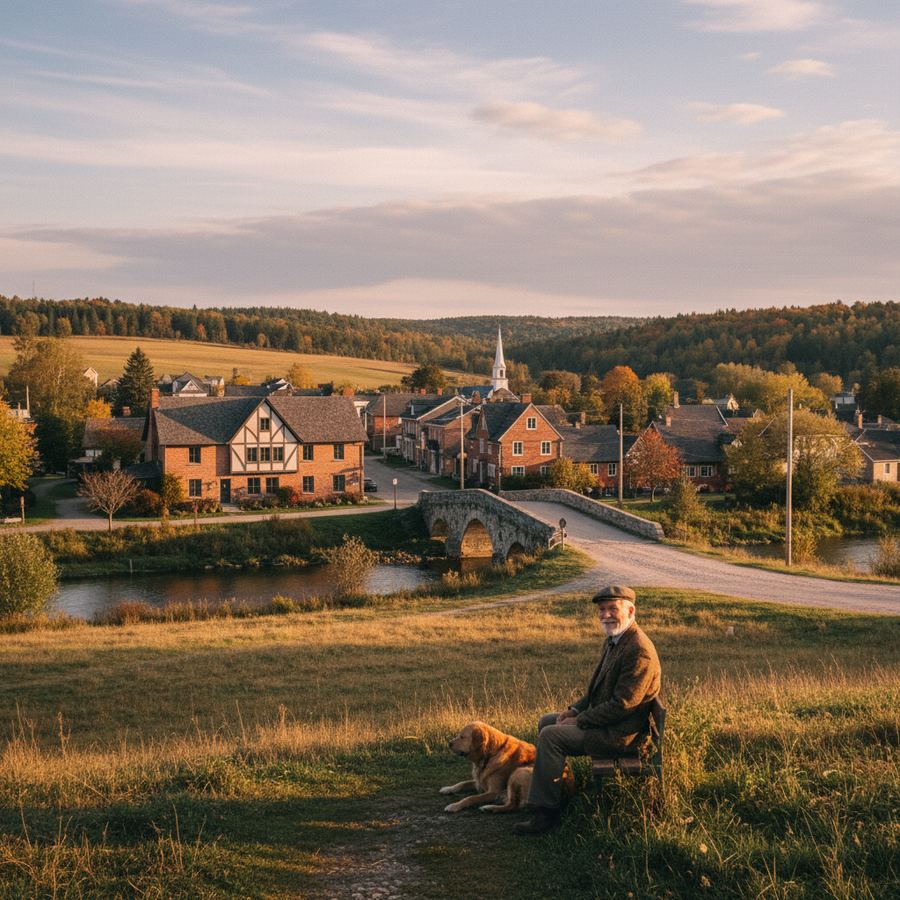
Character shows up in the built environment first. A town with character has buildings that reflect its history. The storefronts on the main street tell a story of what the community valued in different eras. The heritage buildings are maintained, not because a heritage committee mandated it, but because people in town care enough to do the work. The newer buildings, ideally, respect the scale and materials of the older ones rather than imposing a generic modern aesthetic.
Shelburne's main street is a good example. The heritage buildings are intact, the grain elevator is still visible, and the overall impression is of a town that has grown organically over time rather than being planned from a blueprint. Stayner has a similar quality, with a main street that serves the community rather than performing for visitors.
Character also shows up in the businesses. A town with character has businesses that are specific to that place. Not franchises that could exist anywhere, but shops, restaurants, and services that reflect the community's particular needs, tastes, and history. The bakery that has been using the same recipe for decades. The hardware store that stocks what local builders actually use. The restaurant that serves the food that people in town want to eat, not the food that a corporate menu development team decided would maximize returns.
How Character Gets Lost
Character erodes gradually, and often with the best of intentions. A town wants to attract visitors or new residents. Consultants are hired. A branding exercise produces a new logo, a new tagline, and a set of recommendations for making the town more "marketable." Heritage buildings are renovated to look more uniform. Independent businesses are replaced by ones that fit the new brand. The rough edges, the quirks, the things that made the town interesting, are smoothed away in the name of economic development.
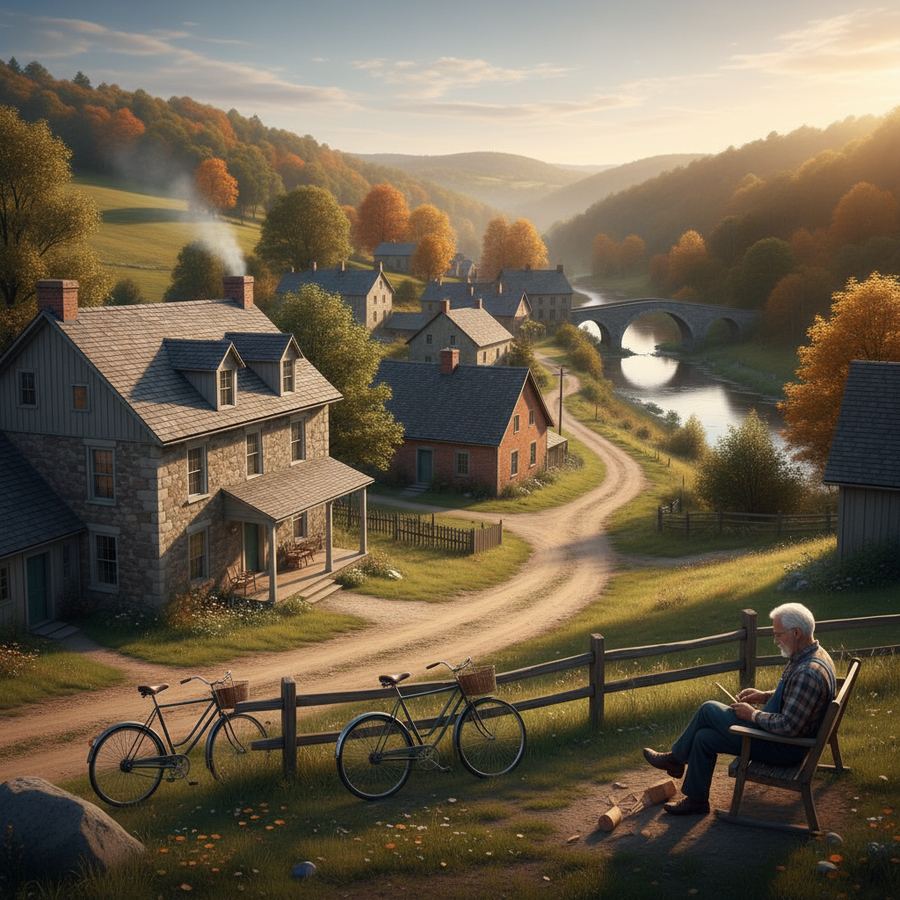
The result is a town that looks nice but feels generic. Pleasant, photogenic, and forgettable. The kind of place where you take a picture of the main street and cannot remember which town it was when you look at the photo a month later. This is not a failure of aesthetics. It is a failure of identity. The town stopped being itself and started being a version of what it thought visitors wanted.
The irony is that visitors do not actually want generic pleasantness. They want authenticity. They want to arrive somewhere that feels distinctly itself, with its own personality, its own history, and its own way of doing things. The towns that attract the most devoted visitors and the happiest new residents are the ones that never tried to be something they are not.
Preserving What Matters
Preserving character does not mean resisting all change. Towns that refuse to evolve become museums, frozen in a past that no longer serves the people who live there. Character is dynamic, not static. It absorbs new influences, adapts to changing circumstances, and grows in response to the community's needs. The key is that the changes come from within the community rather than being imposed from outside.
When a new bakery opens on Stayner's main street, it adds to the town's character because it is responding to the community's growing interest in good bread. When an artist opens a studio in Prince Edward County, she is joining a creative community that has been building for decades. When a young couple opens a restaurant in Shelburne, they are adding a new chapter to the town's story, not replacing it with someone else's.
The changes that threaten character are the ones that prioritize external expectations over internal identity. Tearing down a heritage building for a parking lot. Replacing an independent business with a chain. Redesigning the main street to look like a stock photo of a charming small town. These choices, often made in pursuit of economic growth, sacrifice the very quality that made the town attractive in the first place.
Why It Matters to Visitors
As travellers, we have a responsibility in this. Every dollar we spend in a small town is a vote for the kind of place we want it to be. When we choose the local restaurant over the chain, we support the continuation of something unique. When we buy from the farm stand instead of the highway service centre, we participate in the local economy that keeps the town alive. When we return to a place because we love its character, we reinforce the community's decision to stay true to itself.
The towns covered on this site, Prince Edward County, Wasaga Beach, Stayner, Shelburne, Petawawa, are all places with character. They are not perfect. They face the same pressures as every small community in Ontario. But they have managed, so far, to hold onto what makes them distinct. That is worth celebrating and worth protecting.
For more on the relationship between communities and the people who visit them, see Why Local Feels Better. For thoughts on making a deeper commitment to a place, read Moving to a Smaller Town.