Shelburne sits at the junction of Highway 10 and Highway 89, about ninety minutes northwest of Toronto. It is the kind of town that most people drive through on their way to somewhere else. The highway becomes the main street for a few blocks, then opens up again on the other side. But if you stop, park the car, and walk around for an hour, you discover a community with more depth and character than the drive-through view suggests.
The town has about eight thousand residents and a history that stretches back to the mid-1800s. It grew up around the railway and the agricultural economy of Dufferin County, and many of its heritage buildings still line the main street. There is a working grain elevator visible from the road, a few churches with the kind of architecture that does not get built anymore, and a mix of independent businesses that serve the local community rather than tourists.
The Main Street
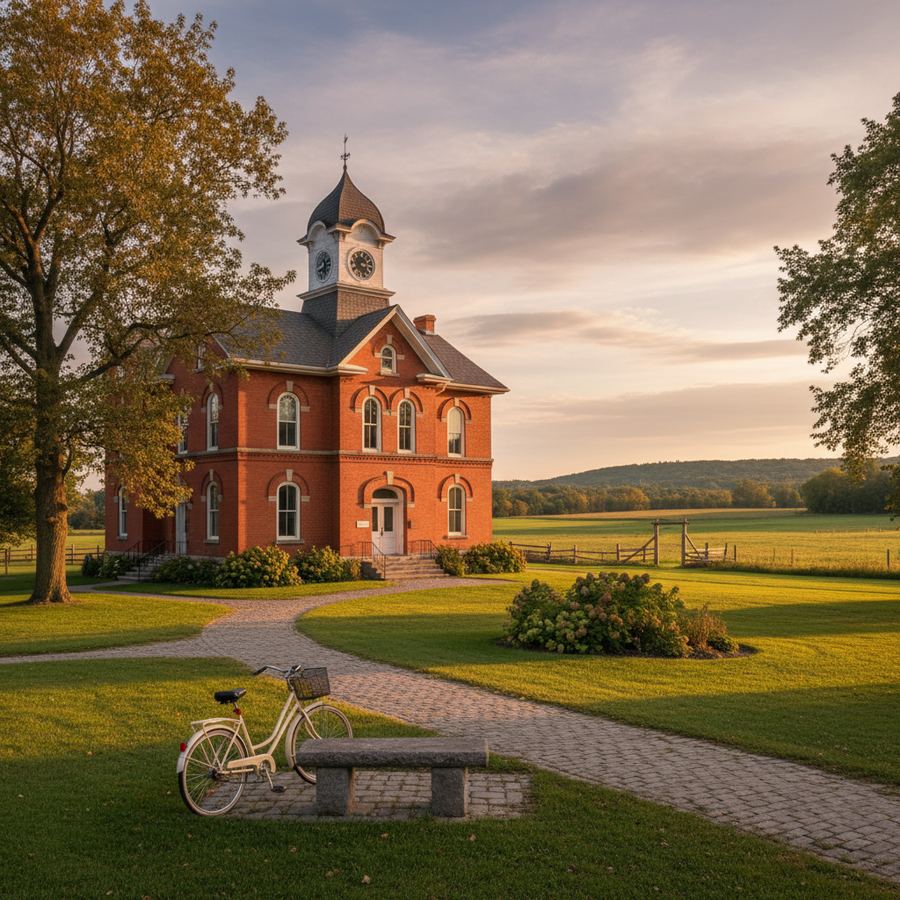
Shelburne's main street, which is also Highway 89, has the feel of a town that has not been redesigned for visitors. The storefronts are a mix of old and newer buildings, with a hardware store, a few restaurants, a pharmacy, and the kind of small businesses that small towns depend on. There is no boutique shopping district or curated artisan quarter. What you get instead is a genuine glimpse of how a small Ontario town functions day to day.
That authenticity is what makes Shelburne interesting to visit. The conversations you overhear at the coffee shop are about local matters. The restaurant serves the food that people in town actually want to eat. The pace is unhurried not because it has been designed that way for tourists, but because that is simply how life moves here.
The Surrounding Landscape
Shelburne's setting is one of its strongest features. The town sits on the edge of the Niagara Escarpment, with the rolling hills and deep valleys of the Hockley Valley to the south and east, and the flatter farmland of Dufferin County stretching north and west. The combination creates a varied landscape that changes dramatically within a short drive.
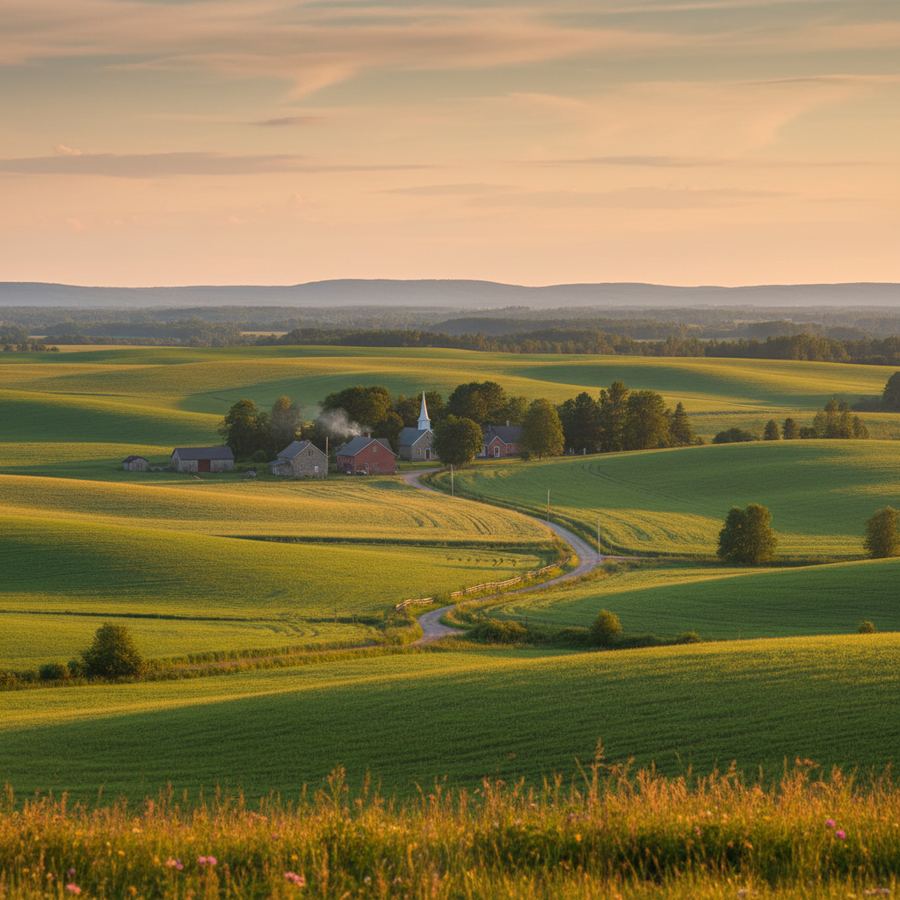
Highway 10, running south from Shelburne through the Hockley Valley, is one of the most scenic drives in this part of Ontario. The road winds through wooded hills with views that open up unexpectedly at each crest. In autumn, when the hardwood forests are at peak colour, it rivals anything in Muskoka or Algonquin for sheer visual impact, without the crowds.
The Bruce Trail, Ontario's longest marked hiking trail, passes through the area. Several access points are within a short drive of Shelburne, offering day hikes through Escarpment forests and along ridge lines with views across the countryside. The Boyne Valley Provincial Park, south of town, has trails through a deep valley carved by the Boyne River.
Community and Events
Shelburne has a strong sense of community identity, anchored by events that have been running for generations. The Shelburne Heritage Music Festival, one of the oldest fiddle competitions in Ontario, draws musicians and visitors from across the country each summer. The agricultural fair, held in autumn, is a traditional county fair with livestock shows, baking competitions, and the kind of community spirit that cities cannot replicate.
The town also has a growing arts presence, with local artists and crafters showing work at community events and in a few small gallery spaces. It is not a major arts destination, but the creative activity adds another layer to the town's character.
Food and Provisions
Shelburne's dining options are straightforward. There are a few restaurants on the main street serving Canadian comfort food, a bakery, and a couple of cafes. The surrounding area is agricultural, and in season you can find farm stands selling produce, eggs, and preserves. Orangeville, about twenty minutes south, has a more developed food scene with a wider range of restaurants and cafes.
When to Visit
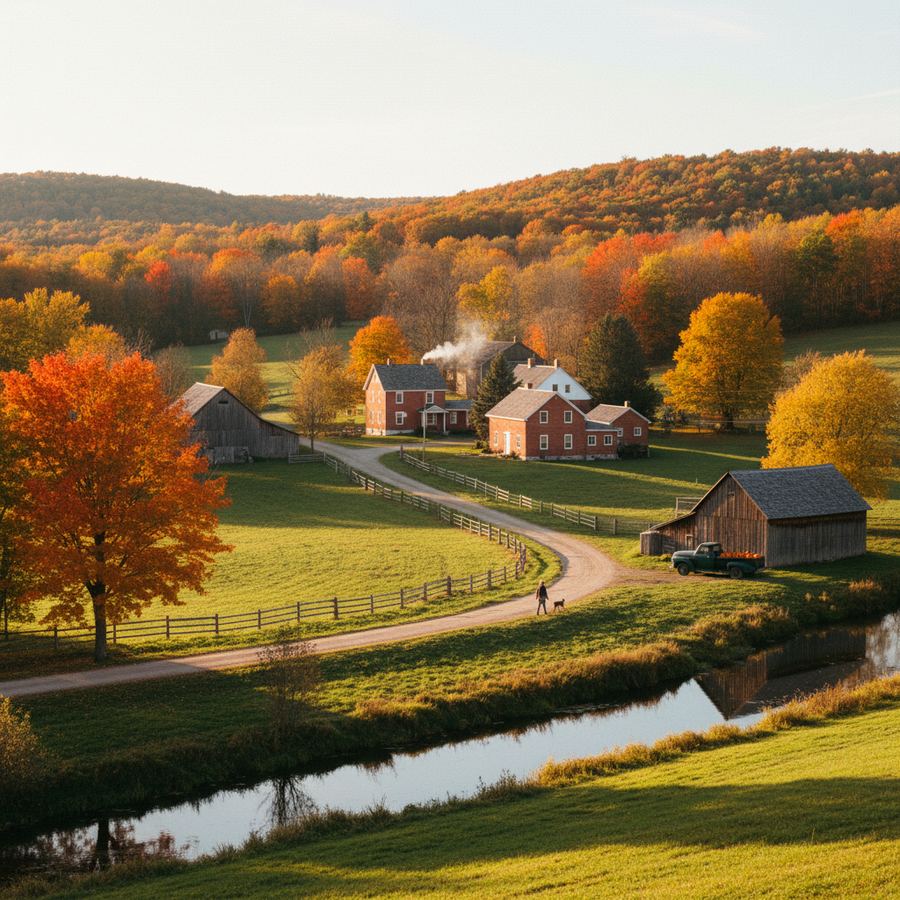
Autumn is the standout season. The combination of Escarpment forests, rolling farmland, and clear fall light makes the area around Shelburne exceptionally beautiful from late September through mid-October. The Heritage Music Festival in summer is another draw if you enjoy live music and community events.
Winter can be harsh but photogenic, with snow covering the hills and the town taking on a quieter character. Spring brings mud season followed by a burst of green that transforms the landscape almost overnight.
Getting There
Shelburne is about ninety minutes from downtown Toronto via Highway 10 north, or roughly an hour from Barrie via Highway 89 west. The drive on Highway 10, particularly the stretch through the Hockley Valley, is scenic enough to count as part of the trip. From Shelburne, you are also well positioned to explore Dufferin County, the Hockley Valley, and the southern reaches of the Niagara Escarpment.