The difference between a weekend that feels like a real getaway and one that feels like a rushed obligation often comes down to preparation. Not elaborate planning with spreadsheets and reservation confirmations, but the basic preparation that makes getting out the door easy and the drive enjoyable. Pack the right things. Time your departure well. Know roughly where you are going without scripting every hour. That is the formula.
This guide covers the practical side of weekend road trips in Ontario, from what to pack to when to leave, with an emphasis on keeping things simple. The goal is to spend your energy on the destination, not on the logistics of getting there.
Timing Your Departure
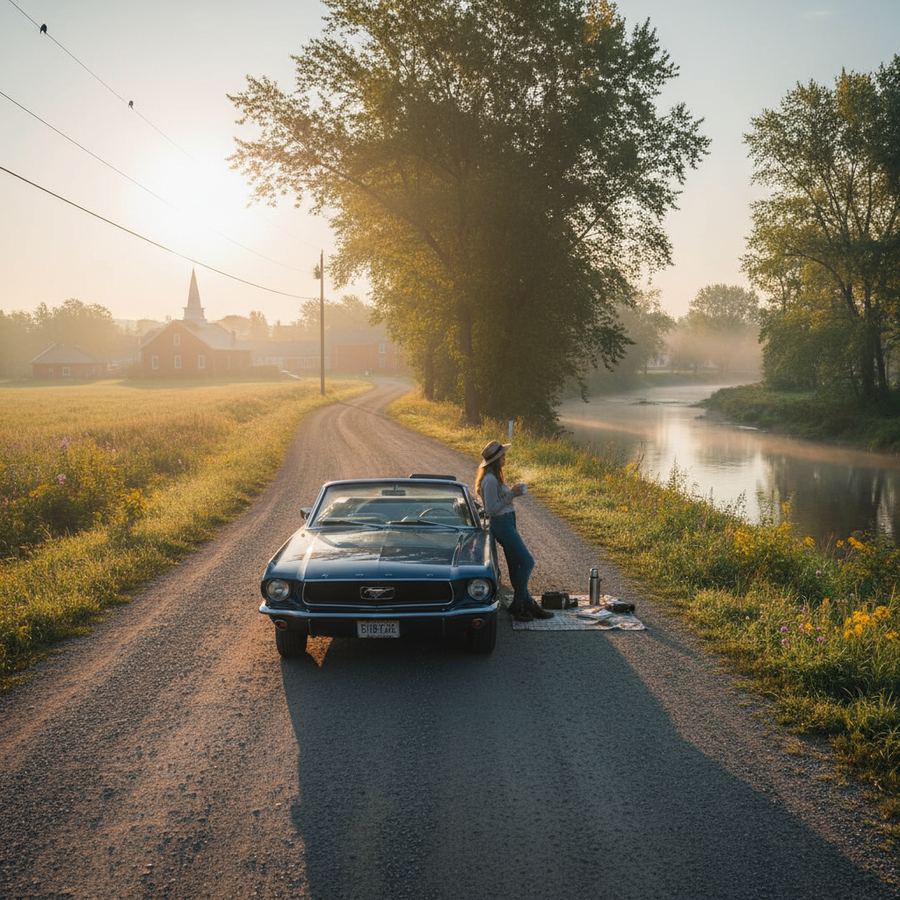
When you leave matters more than most people realize. Friday afternoon traffic on Ontario's major highways, particularly Highway 400 heading north and Highway 401 heading east, can add an hour or more to your drive. The worst window is roughly three to seven on Friday evening, when the entire city seems to be heading in the same direction.
The best strategy depends on your flexibility. If you can leave by early afternoon on Friday, you will beat the worst of it. If not, consider leaving Saturday morning instead. An early Saturday departure, on the road by eight, gives you a clear highway and gets you to most Ontario destinations by mid-morning. You lose Friday evening at your destination, but you gain a relaxed drive and arrive fresh rather than frazzled.
For the return trip, Sunday mid-afternoon works for most destinations. The inbound traffic builds later, typically after four, so leaving your destination by two gives you a buffer. Alternatively, stay for Sunday dinner and drive home in the evening when the highways have quieted down.
Packing Light
A weekend trip requires less than you think. The tendency is to pack for every possible scenario, which results in a car full of bags and the feeling that you are moving house rather than going away for two days. Resist this.
Clothing for a weekend in small-town Ontario is simple. Two days of casual clothes, layers for cool mornings and evenings, a rain jacket, comfortable walking shoes, and swimwear if you are near water. That is it. You are not attending events. You are not going anywhere that requires specific attire. Pack a single bag per person and leave room in the car for things you buy along the way.
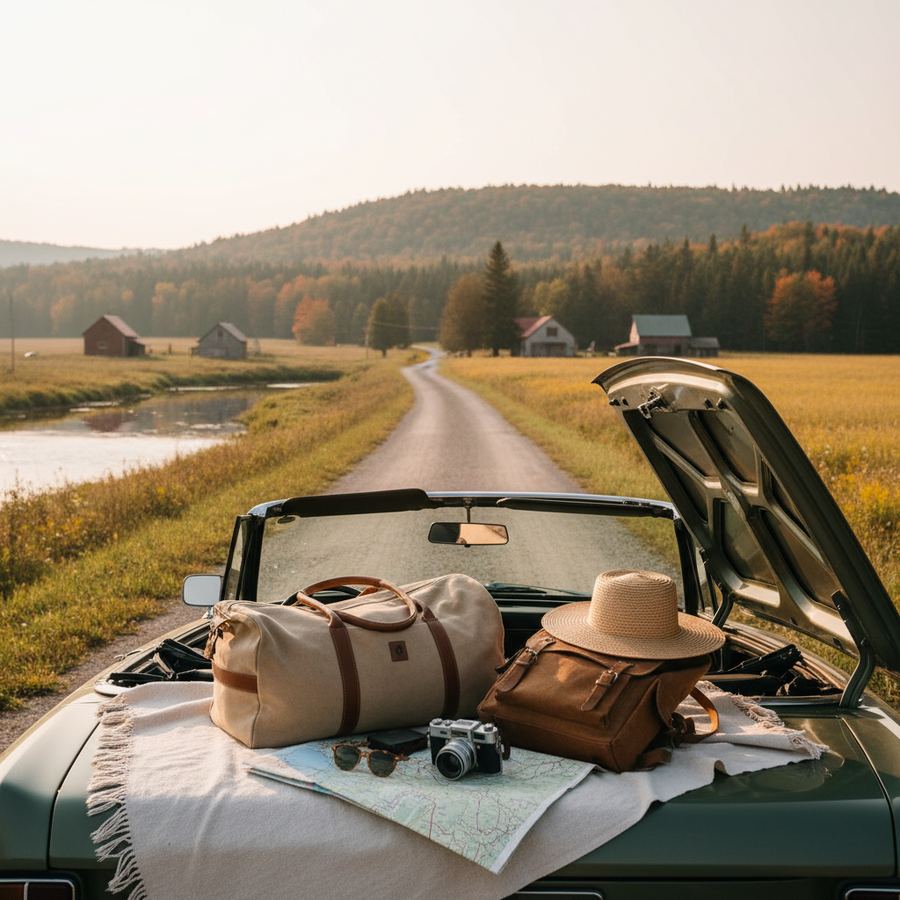
Toiletries can be minimal. Most accommodations provide the basics, and you are only gone for two nights. A toothbrush, sunscreen, and any personal essentials will cover it.
Car Essentials
A few items make the drive and the weekend smoother. A cooler bag with drinks and snacks reduces the need for highway stops and means you can eat when you want rather than when you happen to pass a service centre. A phone mount keeps navigation visible without someone holding the device. A charging cable that reaches the back seat keeps everyone powered up.
For the destination itself, consider bringing a blanket for impromptu picnics, a reusable shopping bag for farm-stand purchases, and a small first-aid kit. If you are heading to a beach, pack towels, shade, and water shoes. If trails are on the agenda, bring water bottles and bug spray.
Check your car before you leave. Tire pressure, oil level, windshield washer fluid. These checks take five minutes and eliminate the anxiety of being on a rural Ontario road with a dashboard warning light. Fill the gas tank on the way out of the city. Fuel stations become less frequent as you move into smaller towns.
Navigation and Connectivity
Download offline maps for your destination before you leave. Cell coverage in rural Ontario is inconsistent, and many of the most scenic drives pass through areas where your phone will show no signal. Having offline maps means you can still navigate even when the connection drops.
Better yet, bring a paper map or print one from the tourism website of your destination region. There is something genuinely pleasant about navigating by paper map on a weekend drive, and it encourages the kind of exploratory detours that make small-town trips memorable.
Accommodation
Book ahead in summer, especially for popular destinations like Prince Edward County and Wasaga Beach. Shoulder seasons are more flexible, and you can often find last-minute availability. The type of accommodation matters. A vacation rental with a kitchen gives you the option of cooking, which saves money and lets you use the local produce you find at farm stands. A bed-and-breakfast in a heritage home puts you closer to the town centre and often comes with breakfast and local knowledge from the host.
Wherever you stay, look for a place with outdoor space. A porch, a patio, or a yard makes a significant difference to the feel of a weekend away. Some of the best moments happen not at attractions or restaurants but sitting outside your accommodation in the evening, with a glass of wine and the sound of crickets.
The Art of Not Over-Planning
The final and most important piece of preparation is knowing when to stop preparing. A weekend trip needs a destination, a place to sleep, and maybe one or two dinner reservations at popular restaurants. Everything else can be figured out on the ground.
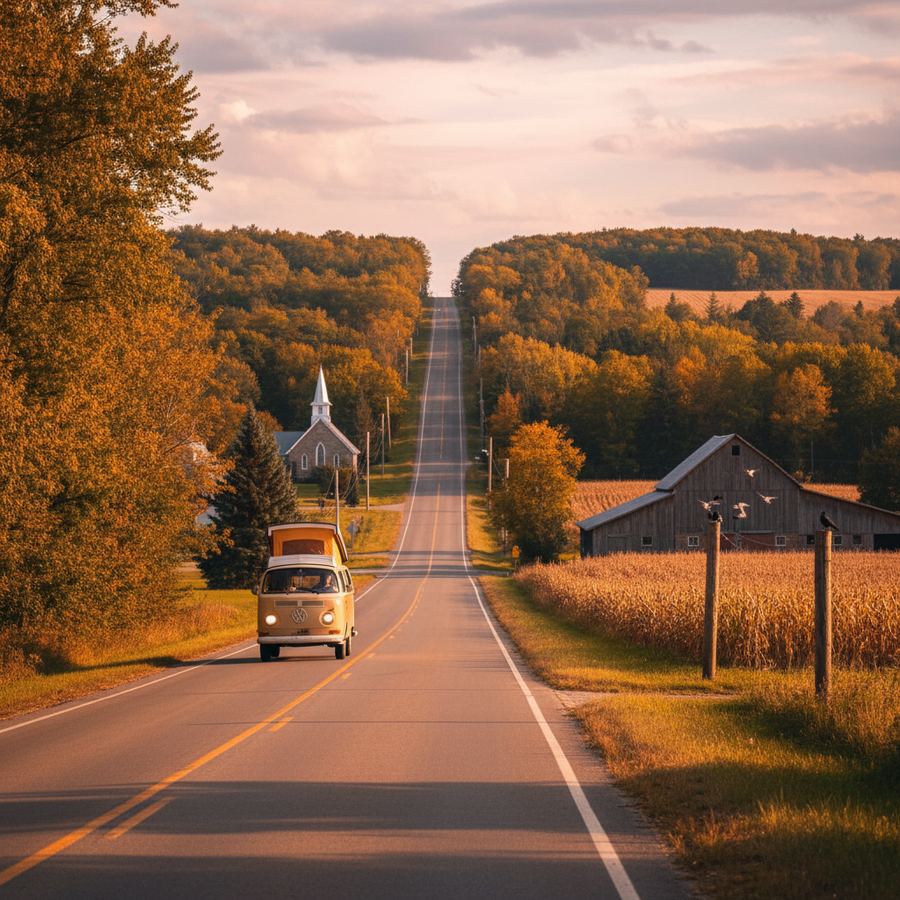
Leave room for spontaneity. The farm stand you spot from the road. The trail that looks interesting. The bakery with a line out the door that must be good. These unplanned moments are often the highlights of a trip, and they only happen if your schedule has space for them.
For destination ideas, browse our Destinations section. For a philosophy of unhurried travel, read Slow Travel in Small Towns. And for help picking the right place, see Choosing a Weekend Destination.