A good bakery can be the reason you stop in a town. Not the only reason, but the first one. You are driving through somewhere, following the road to your actual destination, and you catch sight of a hand-painted sign, a line out the door, or that particular warmth of light through a bakery window that means fresh bread and pastries. You pull over. You walk in. Twenty minutes later, you are sitting on a bench outside with a coffee and a croissant that has changed your opinion of the town entirely.
Small-town Ontario has a remarkable concentration of excellent bakeries. Some are established institutions. Others are newer, opened by bakers who left the city to make bread in a place where the pace allows it. What they share is a commitment to craft: real fermentation, good ingredients, and the kind of attention to detail that mass production cannot replicate.
This guide covers some of the bakeries across small-town Ontario that are genuinely worth a stop, whether they are your destination or a happy detour along the way.
Prince Edward County
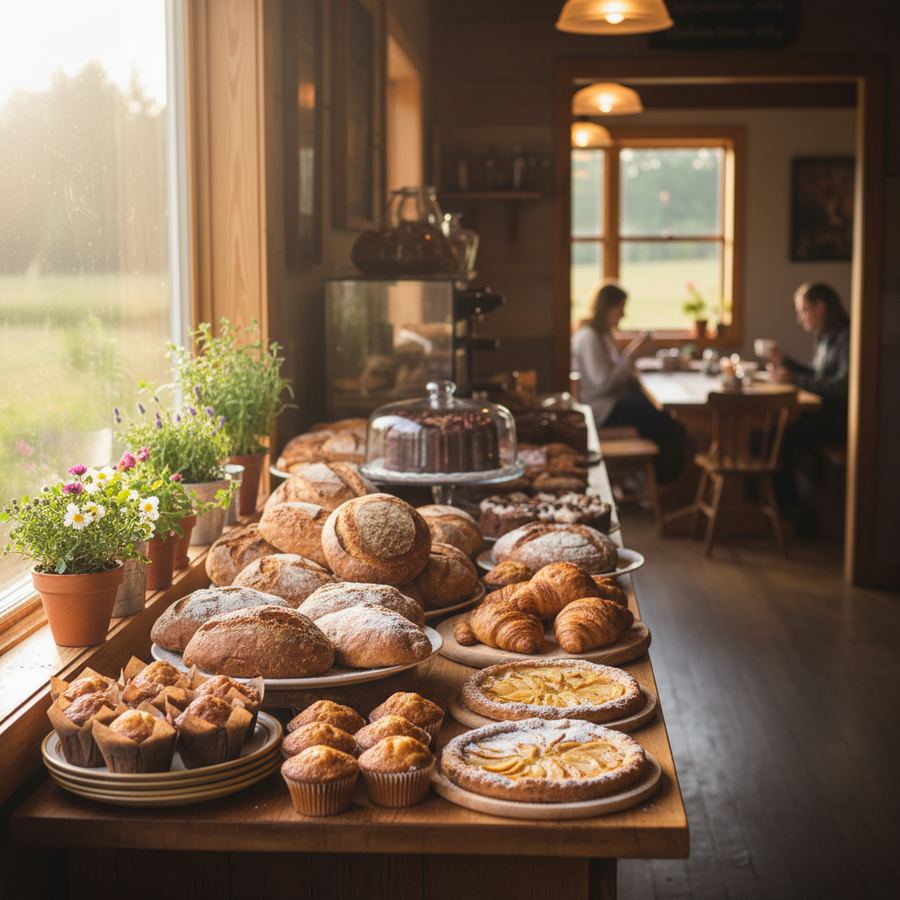
The County has several bakeries that draw visitors specifically for their bread and pastries. The baking scene benefits from the same local-sourcing culture that drives the restaurant scene: local flour, fresh eggs, seasonal fruit. A morning bakery run is an essential part of any County weekend.
Look for sourdough loaves, croissants, and seasonal tarts. The best shops sell out early on summer weekends, so arrive before ten if you have your heart set on a particular item. Pair your purchase with coffee from a nearby cafe and eat it at the waterfront or on a bench in town. For more on the County food scene, see Where to Eat in Prince Edward County.
Stayner and Clearview Township
The bakery on Stayner's main street has become a regional destination. The sourdough is excellent, the pastries are inventive without being fussy, and the butter tarts have the kind of loyal following that generates debates about whether the filling should be runny or firm. The shop operates from a small storefront, and on weekends the line extends outside. This is a good sign.
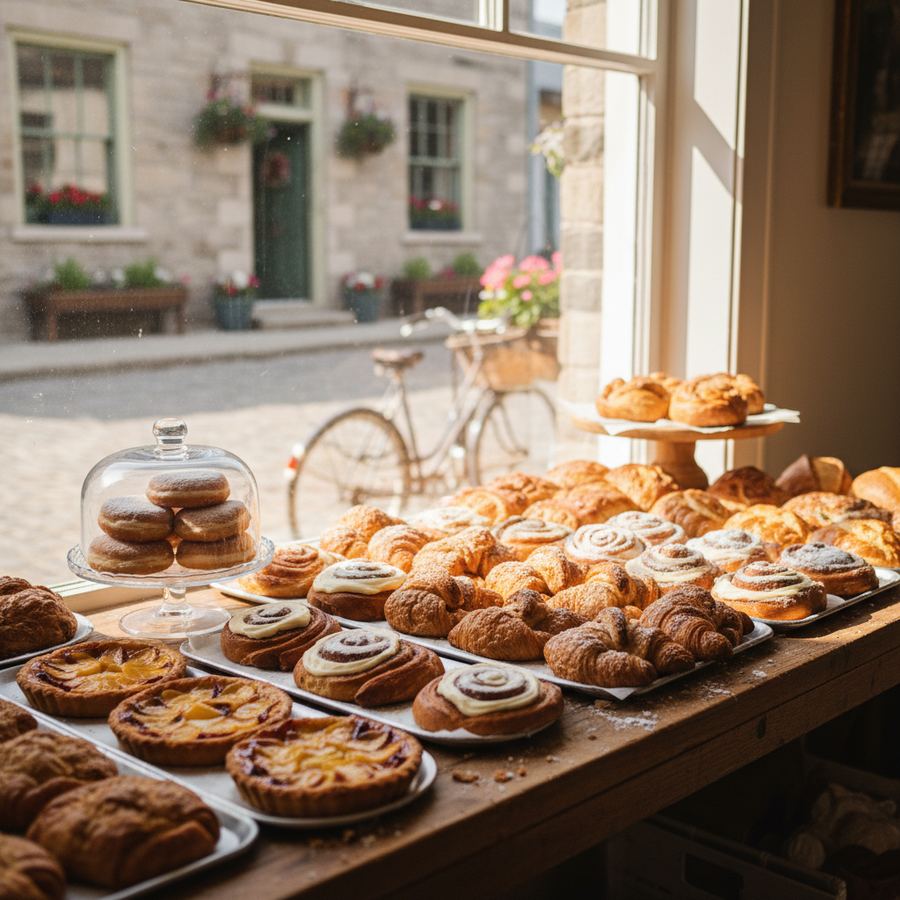
The Stayner bakery is easily combined with a countryside drive or a visit to Creemore, fifteen minutes south. Pick up bread and pastries, then head into the rolling farmland with a picnic developing in the back seat.
Creemore
Creemore's main street includes a bakery that complements the village's broader food offerings. The bread is traditional and well-made, and the location, on one of Ontario's most charming main streets, makes the visit feel like an event even when you are just buying a loaf. Combine it with a stop at the Creemore Springs Brewery and a walk through the village.
Collingwood Area
Collingwood and the surrounding area have seen a proliferation of artisan bakeries in recent years, driven by the growing population and a customer base that demands quality. The downtown has several options, from traditional bread bakeries to patisseries with elaborate pastry work. If you are visiting the Georgian Bay area, a Collingwood bakery stop is easy to integrate into your route.
Prince Edward County Countryside
Beyond the main towns, the County's rural roads occasionally yield bakery surprises. Small operations, sometimes running from a farmhouse kitchen with limited hours, produce bread and baked goods that are worth seeking out. These places rely on word of mouth and seasonal signage. Ask at your accommodation or at a winery, and someone will point you in the right direction.
What to Look For
A few indicators distinguish a genuinely good bakery from a decent one. The bread should have a proper crust. Sourdough should taste like sourdough, with tang and complexity, not just a label on standard bread. Croissants should be layered and buttery, not puffy and bland. Butter tarts should have a crust that is actually good, not just a vehicle for the filling.
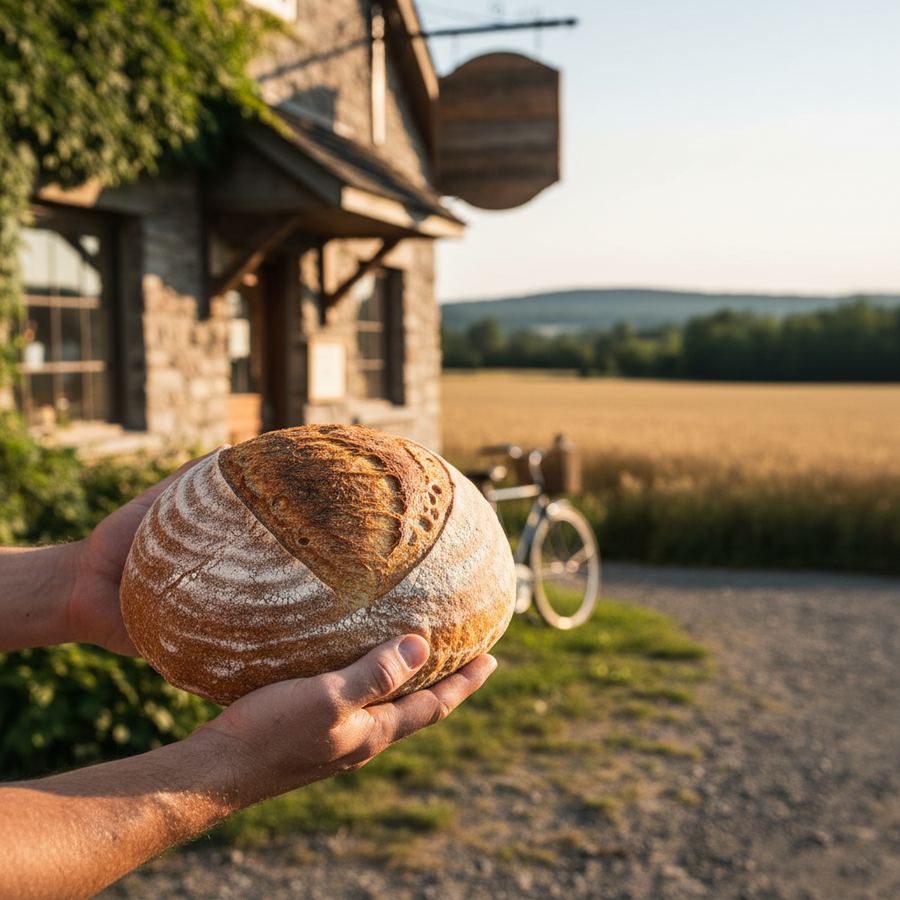
The best bakeries tend to have limited hours and limited stock. They bake in the morning and close when they sell out. This is not a business strategy. It is a reflection of the scale at which excellent baking is possible. A bakery that never runs out is probably baking more than it should.
The Butter Tart Question
No guide to Ontario bakeries can avoid the butter tart. This distinctly Canadian pastry, a small tart shell filled with a mixture of butter, sugar, and eggs, sometimes with raisins or pecans, is the subject of intense regional pride and equally intense debate. The filling should be runny, say some. Firm, say others. Raisins are essential, or raisins are a crime.
The truth is that a well-made butter tart in any style is a pleasure. The pastry should be short and buttery. The filling should be rich without being cloying. The tart should be fresh, ideally still slightly warm. Buy one at every bakery you visit and form your own opinion. This is research worth conducting.
For more food-focused travel, see Brunch Spots in Small-Town Ontario and Seasonal Markets and Farm Stands.